
How Much Does Playground Equipment Cost in 2026?
Real Price Ranges, Cost Factors & Money-Saving Tips for Backyards, Schools & Parks
How Much Does Playground Equipment Cost in 2026?

playground equipment
If you’re planning a playground project in 2026—whether it’s for your kid’s backyard, a local school, a community park, or a commercial space—let’s be real: the first question you’re asking is, How much is this actually going to cost? I get it—budgeting for play equipment isn’t glamorous, but it’s make-or-break for your project. The truth is, there’s no magic number—costs swing wildly based on size, materials, and a dozen other little details. But after helping dozens of schools, parks, and business owners navigate this exact process over the past few years, I’m breaking down the real cost ranges, what actually drives those prices up (or down), and simple ways to save money without cutting corners on safety or fun. This guide is for you—whether you’re a PTA member scrambling to fund a school playground, a park manager working with a tight municipal budget, or a business owner wanting to add a play area for your customers. Let’s dive in.
2026 Playground Cost Ranges (By Size—No Fluff, Just Real Numbers)
Size is the biggest factor when it comes to cost—plain and simple. It dictates how much equipment you need, the materials required, and how much labor goes into setup. Below are the ranges we’re seeing in 2026, based on real projects we’ve helped with (no inflated “retail” prices here):
- Small Playground: $5,000 – $15,000
Think backyard setups, small home daycares, or tiny schoolyards where only 5-10 kids play at a time. These usually have 1-2 key pieces—like a basic slide, a small swing set, or a simple climbing wall—and minimal safety surfacing (think wood chips or rubber mats). The best part? They need almost no site prep, so you won’t get hit with surprise costs here. Perfect if you’re on a tight budget but still want a fun space for kids. - Medium Playground: $15,000 – $50,000
This is the sweet spot for most elementary schools, neighborhood parks, or mid-sized businesses (like cafes, malls, or daycares with more kids). You’ll get a mix of equipment—slides, swings, climbing frames, maybe even a few interactive panels—and more extensive safety surfacing. These setups fit 10-25 kids, and you can usually add a little customization (like school colors or a simple theme) without breaking the bank. Pro tip: If you’re a school or non-profit, ask about bulk discounts—many manufacturers cut a break for community-focused projects. - Large Commercial Playground: $50,000 – $200,000+
We’re talking big community parks, large schools, amusement parks, or public recreation areas here. These have multiple play zones, custom designs (think themed structures or inclusive features for kids with disabilities), top-tier materials, and full safety compliance. They fit 25+ kids, require professional installation (no DIY here!), and often need site prep like grading or drainage work. The “+” at the end? That’s for custom builds—we’ve seen some high-end commercial playgrounds hit $300k+, but that’s usually for luxury resorts or major public spaces.
What Actually Drives Playground Costs Up (And How to Avoid Surprises)
Size is just the start. Over the years, I’ve seen clients get blindsided by little costs that add up fast. Here are the key factors to watch for in 2026—plus my honest take on which ones are worth splurging on, and which you can skip:
- Materials (Plastic vs. Steel vs. Wood—Which Is Worth It?)
The material you choose doesn’t just affect cost—it affects how long your playground lasts. Let’s break it down like I do with my clients:
- Plastic: The most budget-friendly option (great for small to medium setups). It’s lightweight, easy to clean, and holds up well in rain or sun. But here’s the catch: it’s not as durable for heavy commercial use. If you’re building for a park that gets hundreds of kids a day, plastic might wear out faster (5-10 years). But for a backyard or small daycare? It’s perfect.
- Steel: My go-to for most commercial projects. Powder-coated steel is tough, weather-resistant, and lasts 15-20+ years with almost no maintenance. It’s more expensive than plastic, but it’s worth it if you want a playground that doesn’t need constant repairs. Pro tip: Look for galvanized steel if you live in a coastal area—it resists rust better.
- Wood: The premium pick for aesthetic lovers. Cedar or redwood looks beautiful, blends with natural spaces, and is durable if treated properly. But it’s pricey upfront, and you’ll need to stain or seal it every 2-3 years to prevent rot. I only recommend wood if you’re going for a specific look (like a nature-themed park) or if your community prefers natural materials—otherwise, steel is a better value.
- Custom Designs (When to Splurge, When to Save)
We all want our playground to stand out, but custom designs can add 20-50% to your cost—and not all customizations are worth it. Here’s the truth: Standard, pre-designed equipment is way more affordable, and most kids won’t even notice the difference. But if you need something specific—like a themed structure for a children’s museum, brand-aligned colors for a business, or inclusive features (wheelchair ramps, sensory panels)—it’s worth the investment. Just be clear with your manufacturer about your budget upfront; they can often suggest small custom touches that don’t break the bank.
- Safety Certifications (Non-Negotiable—Here’s Why)
I can’t stress this enough: Safety certifications are not optional in 2026. Equipment needs to meet ASTM F1487 (U.S.) or EN 1176 (Europe) standards to keep kids safe—and certified equipment usually costs 10-15% more than non-certified options. But skipping certifications? That’s a risk you don’t want to take. I’ve seen clients get fined for non-compliant equipment, or worse, deal with injuries that could have been prevented. Also, don’t forget about installer certifications—professional installers should be certified to ensure the equipment is anchored properly. That usually adds $200-$4,000, but it’s cheaper than a lawsuit.
- Shipping & Installation (The Hidden Costs No One Talks About)
Shipping costs sneak up on everyone. If you’re in a remote area or ordering from out of state (or country), you could add $1,000-$5,000 to your budget. Installation is another big one—professional installers charge $6,000-$22,000 for commercial projects, depending on how complex the setup is. If your site is uneven, has poor drainage, or needs grading, that’s extra. My tip: Ask your manufacturer if they offer free or discounted shipping for large orders, and get multiple installation quotes—some companies will match prices to win your business.
3 Proven Tips to Save Money on Playground Equipment (2026 Edition)
You don’t have to spend a fortune to build a great playground. These are the tips I share with my clients—they’re simple, effective, and won’t sacrifice safety or fun:
- Go Modular (Start Small, Add Later): Modular equipment is a game-changer for tight budgets. You can start with a basic setup (slide + swing set) and add components (climbing wall, interactive panels) over time. This spreads out costs, so you don’t have to pay for everything upfront. Plus, modular systems are pre-designed, so installation is faster (and cheaper) than custom builds. I’ve had clients start with a $10k modular setup and add to it over 2-3 years—total cost ends up lower than a one-time custom build.
- Buy Direct from Manufacturers (Skip the Middleman): This is the biggest money-saver I know. Bypassing distributors or retailers can save you 15-25% on equipment costs. Manufacturers also offer bulk discounts for large orders, and many will work with you to create custom solutions at a lower cost than third-party vendors. Bonus: Most manufacturers include basic installation support or discounted rates if you buy direct—just ask!
- Plan Your Space Like a Pro: Maximizing your space means you don’t need extra equipment (or extra materials). Work with a designer (many manufacturers offer free design consultations) to create a layout that fits your budget. Focus on multi-purpose equipment—like a combination slide and climbing frame—that gives kids more play value in a smaller footprint. This also cuts down on site prep costs—less grading, less surfacing, less labor.
FAQ: The Questions I Get Asked Most About 2026 Playground Costs
I’ve answered these questions hundreds of times—so I’m sharing them here to save you time (and stress):
Q: What’s the average budget for a commercial playground in 2026?
A: Most commercial projects fall between $20,000-$100,000. That includes equipment, basic installation, and safety surfacing. Small commercial spaces (like in-home daycares) are at the lower end ($20k-$40k), while large community parks or amusement parks are at the higher end ($60k-$100k+). The key is to be clear about your needs—don’t overspend on features you don’t need.
Q: Are there hidden costs I should watch for?
A: Absolutely—these are the ones that catch most people off guard: site prep (grading, drainage, utility work), safety surfacing (which can be 20-30% of your total cost), permits and inspections, and long-term maintenance (annual equipment checks, surfacing replacement). I always tell clients to set aside 5-10% of their budget for unexpected costs—you’ll be glad you did.
Q: Can I install the playground myself to save money?
A: For small backyard setups? Maybe—if you’re handy and follow the manufacturer’s instructions. But for commercial or large playgrounds? Don’t do it. Professional installers know how to anchor equipment safely, meet safety standards, and avoid costly mistakes. I’ve seen DIY installs go wrong—equipment that’s unstable, surfacing that’s not up to code—and it ends up costing more to fix than if you’d hired a pro. Save yourself the headache and go with a certified installer.
Final Thoughts (From Someone Who’s Been There)
Building a playground is one of the best investments you can make—for kids, for your community, for your business. But it’s easy to get overwhelmed by costs. Here’s my best advice: Take your time, do your research, and don’t be afraid to ask questions. You don’t need the most expensive equipment to create a space kids love—you just need to prioritize what matters (safety, durability) and cut back on what doesn’t (unnecessary customizations, overpriced materials).
If you’re ready to start planning, reach out to a trusted playground equipment manufacturer—most offer free quotes and design consultations. And if you have questions? Drop them in the comments below—I’m happy to help. Here’s to building a playground that’s fun, safe, and fits your budget in 2026!
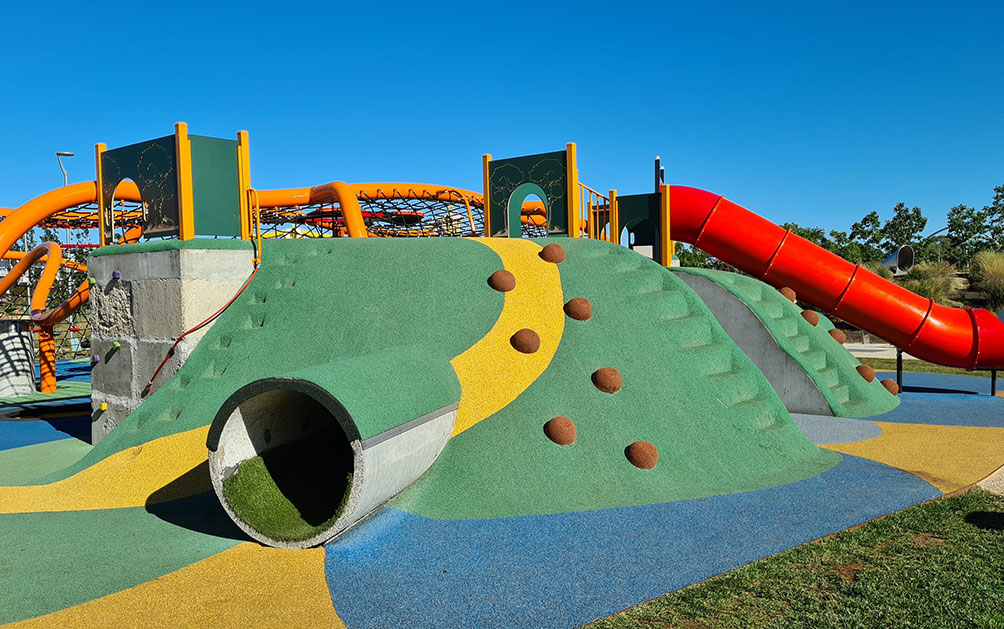
Playground Equipment Cost in 2026 | Small to Large Budget Guide
Playground Equipment